
Notes:
group, people who identify and interact with one another
social groups, two or more individuals connected by common bonds and shared social relations,
dyad, a group of two people
triad, a group of three members
Primary groups are small-scale, intimate, face-to-face long-lasting associations
econdary groups are large-scale, impersonal, task-focused, and time-limited associations.
reference group, a collection of people used for comparison and identification
n-group, a social unit in which an individual belongs and feels a sense of “we,”
out-group, individuals who do not belong or are excluded from one’s group
social clique, a small, close-knit, and exclusive group of individuals
group conformity, aligning attitudes and behaviors with group norms
Groupthink, the tendency of group members to yield the desire for consensus rather than expressing individual or alternative ideas
Pressure for Conformity-Dissenters are pressured not to express their opinions
Self-Censorship- Dissenters choose to withhold their counterarguments
Illusion of Unanimity- The majority view and judgments are assumed to unanimous
Mindguards Self-appointed members protect the group and the leader from information that is problematic or contradictory to the group’s views
Illusion of Invulnerability Members ignore dangers, take excessive risks, and are overly optimistic
Collective Rationalization Members discount and explain away warning signs
Belief in Inherent Morality Members believe their decisions are morally correct and ignore ethical considerations
Stereotypes Views of Out-groups Out-groups are labeled with negative stereotypes and considered as rivals
organization, a structured, purposeful, and goal-oriented collection of people
Informal organizations, a system of the personal contacts and relationships of groupings of people,
formal organizations, structured and bureaucratic systems regulated by clearly stated norms and rules
Normative organizations, groups of people based on shared interests and the intangible rewards of membership
Utilitarian organizations, groups of people based on contractual obligations that seek tangible benefits such as monetary compensation,
Greenwashing, the promotion of being a sustainable and green company, when, in fact, sustainable practices are not the norm for the organization,
total institutions, isolated groups with strict rules and regulations to control every aspect of members’ lives
bureaucracies, a hierarchical authority structure that uses task specialization, operates on the merit principle, and behaves with impersonality
ideal type, logical or consistent traits of a given social phenomenon,
red tape, adherence to excessive regulations and conformity that prevents decision-making and change.
Peter Principle, the notion that workers in a bureaucratic organization will continue to be promoted until they reach their level of incompetence (HP).
spoils system, the practice of politicians awarding jobs to friends and supporters based on liking and not skill.
iron law of oligarchy, a system in which the concentration of power in a democracy rests in the hands of a few elite leaders.
McDonaldization, the process by which the principles of the fast-food restaurant are coming to dominate more and more sectors of American society and the of the rest of the world
leaders, individuals or groups who help facilitate, guide,
instrumental leadership, is one in which the leadership is very task-oriented.
expressive leadership, leadership endeavors to establish more personal or primary connections with the group members
- Authoritarian: A leadership style that is based on orders and directives.
- Democratic: A leadership style based on increasing harmony and reducing conflict between group members.
- Laissez-faire: A leader who takes a hands-off approach to leadership.
transformational leader causes individuals, groups, and social systems to change
transactional leader acts as a manager by keeping the group functioning smoothly
nepotism, the practice of favoritism directed toward family members
social capital, the network of links that develop between people, which may result in a personal, social, and professional advantage
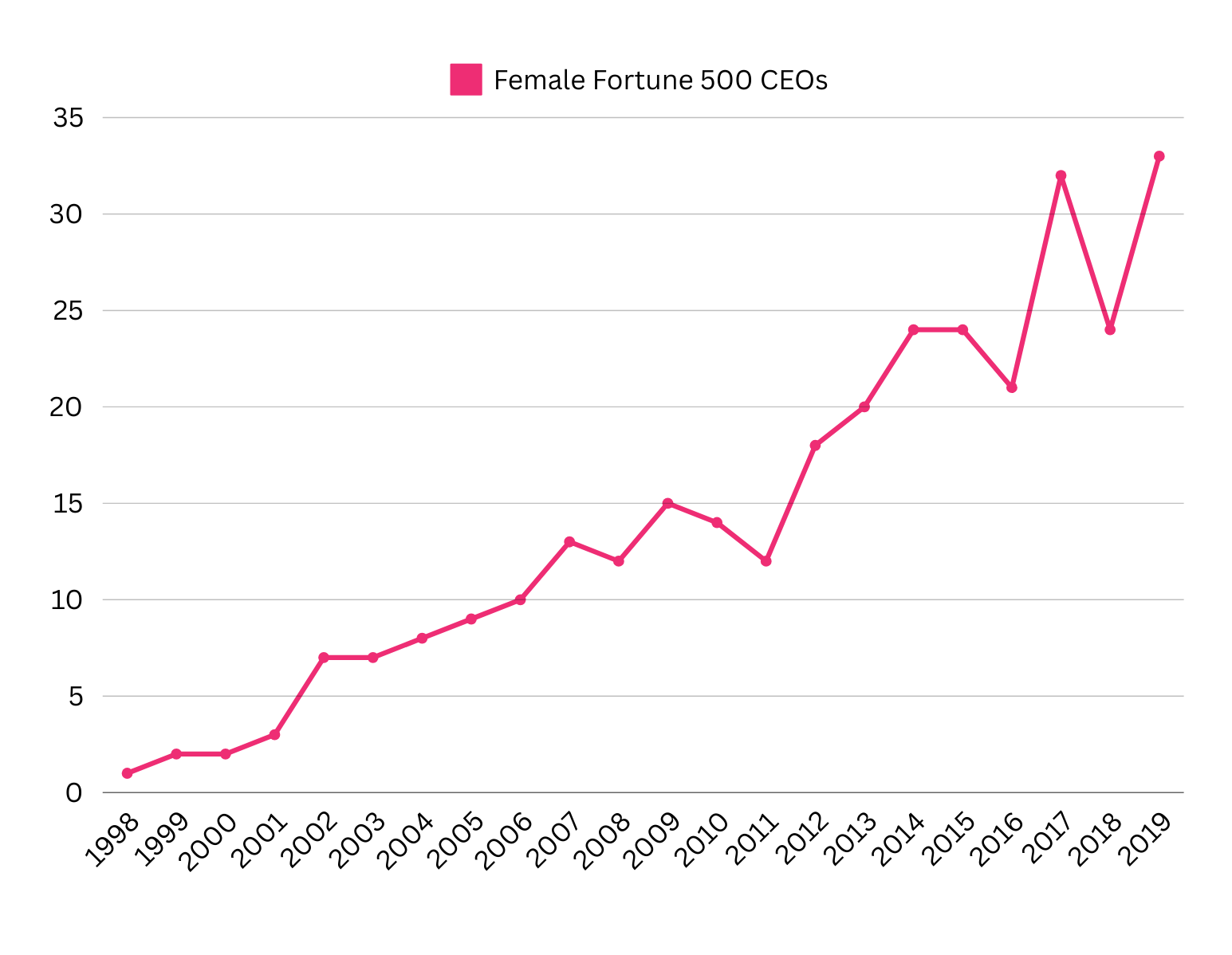
Meritocracy, a system that fosters and rewards personal effort
cyberslacking, when workers spend excessive time online for personal reasons that do not benefit their employer
telecommuting or remote working, working from someplace other than the office on a full- or part-time basis,